
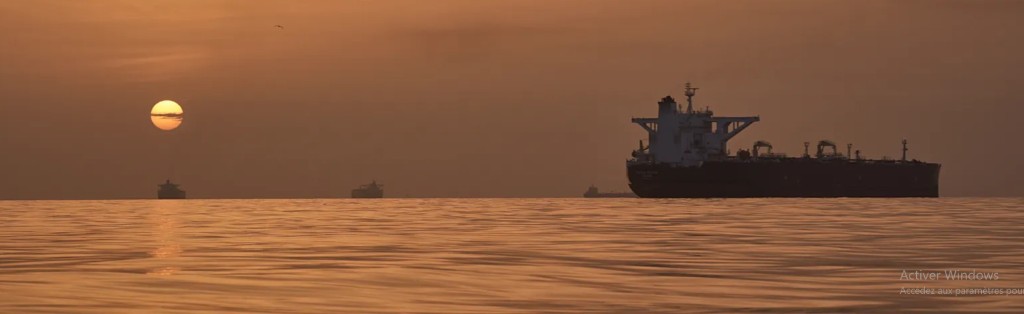
Strait of Hormuz crisis

US
The New York Times
The NYT stresses Iranian escalation and the immediate risk the strait closure poses to global trade.
Read
EU
Le Monde
Le Monde reads the crisis mainly as a diplomatic deadlock between Washington, Tehran and their allies.
Read
MENA
Al Jazeera
Al Jazeera tells the crisis through those directly exposed to it: Gulf residents, seafarers and crews on damaged ships.
Read
RU
TASS
TASS presents the blockade as the result of US Middle East policy and Western support for Israel.
Read
CN
Xinhua
Xinhua emphasises regional stability, international law and the need for a negotiated exit.
ReadUS
The New York Times
The NYT stresses Iranian escalation and the immediate risk the strait closure poses to global trade.
ReadEU
Le Monde
Le Monde reads the crisis mainly as a diplomatic deadlock between Washington, Tehran and their allies.
ReadMENA
Al Jazeera
Al Jazeera tells the crisis through those directly exposed to it: Gulf residents, seafarers and crews on damaged ships.
ReadRU
TASS
TASS presents the blockade as the result of US Middle East policy and Western support for Israel.
ReadCN
Xinhua
Xinhua emphasises regional stability, international law and the need for a negotiated exit.
ReadWorldLens Alignement
Alignment index on how this event is interpreted
Hormuz blockade and oil shock
The same event is perceived very differently